What is Critical Thinking?
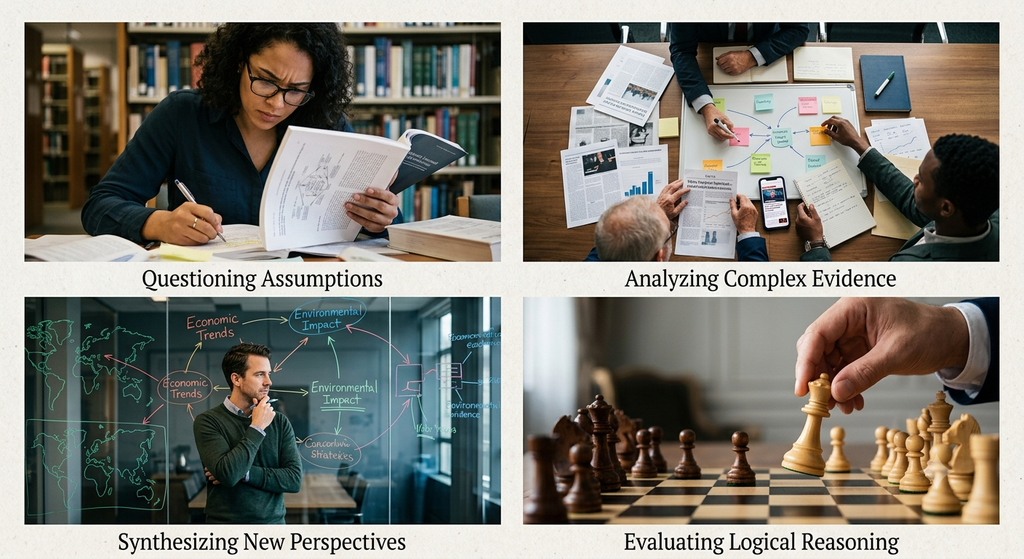
Critical thinking is the ability to examine information objectively, question assumptions, evaluate evidence and arrive at logical conclusions. Instead of accepting a claim simply because it is popular, traditional or confidently presented, a critical thinker asks, “Is this true? What evidence supports it? Are there other explanations?”
Critical thinking does not mean criticising everything or rejecting established beliefs. Rather, it means developing the habit of thinking carefully, questioning intelligently and making informed decisions. It enables individuals to distinguish facts from opinions, evidence from assumptions and genuine information from misinformation.
The Key Elements of Critical Thinking
Critical thinking involves several interconnected skills, including observation, questioning, analysis, interpretation, evaluation, inference and logical reasoning. A good critical thinker examines the reliability of a source, identifies assumptions, considers alternative viewpoints and assesses whether the available evidence actually supports a conclusion.
Another important element is self-awareness. Our emotions, prejudices and preconceived ideas can influence the way we interpret information. Recognising these biases allows us to reconsider our own opinions and remain open to evidence that challenges what we already believe.
Why Critical Thinking is a Crucial Life Skill
Critical thinking is not limited to classrooms or academic examinations. It is a practical life skill that influences the choices we make every day. From selecting reliable health and financial information to solving problems at work, managing relationships and making important personal decisions, the ability to think clearly can prevent costly mistakes.
For students and young people, critical thinking encourages curiosity, independent learning, creativity and effective problem-solving. For adults, it supports better decision-making, responsible citizenship and the ability to navigate an increasingly complex world.

Critical Thinking in the Age of Fake News and Propaganda
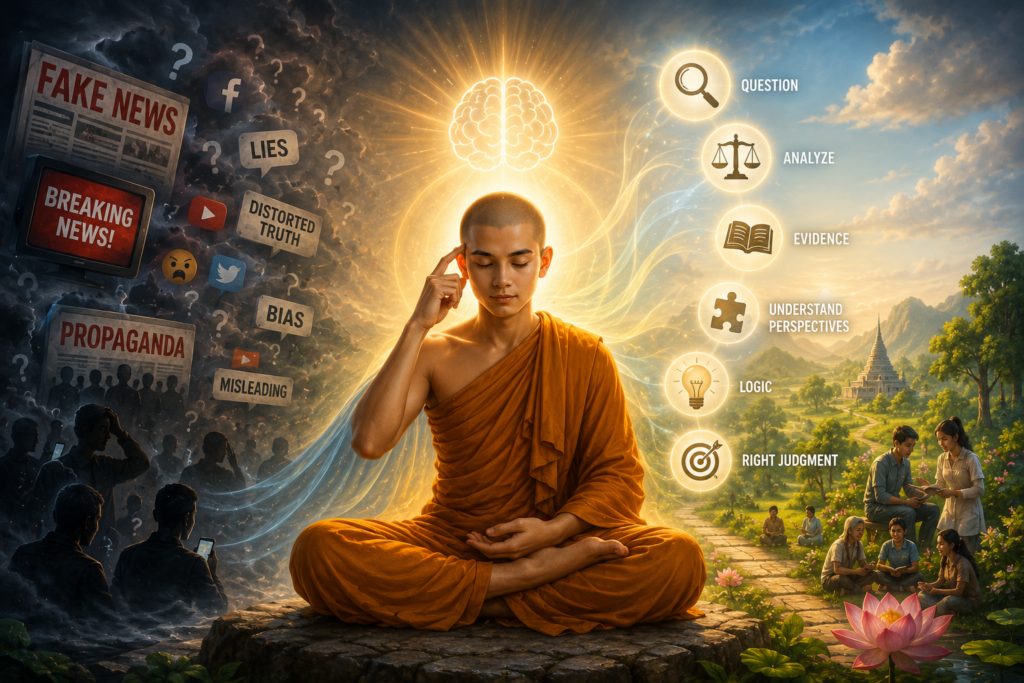
We live in an age of unprecedented access to information—but also an age of fake news, misinformation, disinformation and propaganda. Social media can spread an inaccurate claim to thousands of people within minutes. Misleading headlines, manipulated images, fabricated stories, selective statistics and emotionally charged messages can influence public opinion before people have had an opportunity to verify them.
This makes critical thinking more important than ever. Before believing or sharing information, we should pause and ask: Who created this information? What is the evidence? Is the source trustworthy? Can the claim be independently verified? Is the information presenting facts or trying to manipulate my emotions?
Critical thinking acts as an intellectual filter, helping people become responsible consumers and sharers of information.
Critical Thinking and the Indian Society
In India, critical thinking can also play an important role in addressing the harmful effects of superstitions, pseudoscience and regressive belief systems. While cultural traditions and beliefs can provide identity and social connection, beliefs that promote fear, discrimination, exploitation or harmful practices deserve thoughtful examination.
Developing a questioning and evidence-based mindset encourages people to distinguish between meaningful traditions and claims that lack credible evidence. It strengthens scientific temper, rational inquiry and social awareness, while encouraging individuals to challenge harmful practices without disrespecting people or cultures.
A society that encourages people to ask questions, seek evidence and think independently is better equipped to resist manipulation, prejudice and irrational fear.
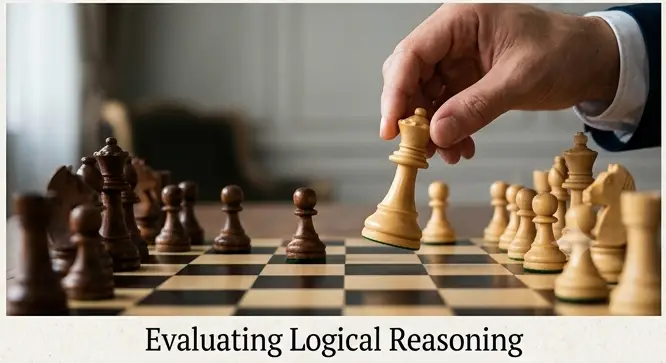
How Can We Develop Critical Thinking?
Critical thinking is a skill that can be developed through regular practice. Some effective ways include:
1. Question information: Do not accept every claim at face value.
2. Check sources: Look for reliable and independent sources of information.
3. Compare perspectives: Examine different viewpoints before forming an opinion.
4. Look for evidence: Distinguish evidence-based claims from assumptions and anecdotes.
5. Recognise bias: Be aware of personal, social and emotional biases.
6. Practise logical reasoning: Learn to identify contradictions, weak arguments and misleading conclusions.
7. Pause before reacting: Give yourself time to think before accepting, rejecting or sharing information.
8. Learn from disagreement: Engage respectfully with people who hold different opinions.
9. Reflect on mistakes: Be willing to change your position when stronger evidence emerges.

Rainbow Dhamma Foundation: Promoting Critical Thinking
At Rainbow Dhamma Foundation, we believe that developing thoughtful, questioning and responsible individuals is an important step towards building a healthier and more progressive society. As part of our Life Skills initiatives, we offer workshops designed to improve critical thinking among students, youths and people in general.
Through interactive discussions, activities, real-life situations and thought-provoking exercises, our workshops encourage participants to question assumptions, evaluate information, recognise misinformation and make reasoned decisions.
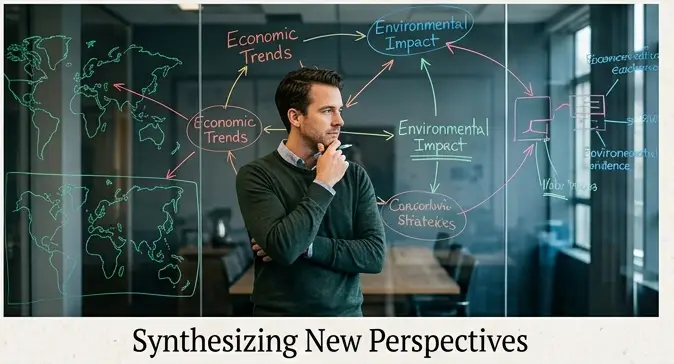
Think Clearly. Question Wisely. Live Responsibly.
In a world where information is abundant but truth can sometimes be difficult to identify, critical thinking is no longer an optional skill—it is an essential life skill. It protects individuals from misinformation, strengthens decision-making and encourages responsible participation in society.
By nurturing the habit of asking questions, seeking evidence and thinking independently, we can empower individuals to become more informed, rational and compassionate citizens. Critical thinking does not simply change the way we understand information; it can change the way we understand the world.
Rainbow Dhamma Foundation remains committed to promoting these essential life skills and creating opportunities for students, young people and communities to learn, question, reflect and grow.