

The age-old saying “Health is Wealth” conveys a simple truth: good health is one of the greatest assets a person can possess. Wealth, education, professional success, and material comforts can certainly make life easier, but without good health, it becomes difficult to enjoy or make meaningful use of them. True prosperity is therefore not measured only by the amount of money one possesses, but also by the quality of one’s physical, mental, and social well-being.
The familiar expression “Be Healthy, Wealthy and Wise” offers an even broader perspective. A healthy body provides the energy to act, a healthy mind provides the wisdom to make sound decisions, and a healthy social life provides the relationships and support necessary for a fulfilling existence.
Understanding Health: More than the Absence of Disease
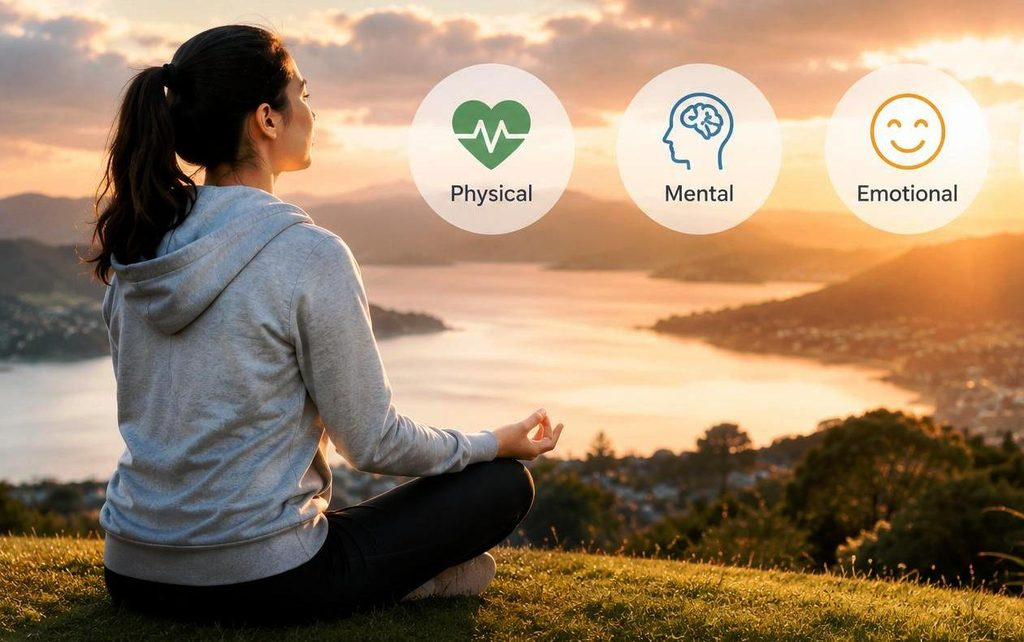
Our understanding of health has evolved considerably. The World Health Organization (WHO) defines health as “a state of complete physical, mental and social well-being and not merely the absence of disease or infirmity.” This definition is significant because it shifts our attention from merely treating illness to promoting overall well-being.
Health has several interconnected dimensions, which can be categorised under the following heads:
#Physical health concerns the proper functioning and fitness of the body.
# Mental health relates to our emotional and psychological well-being, our ability to think clearly, and our capacity to cope with life’s challenges.
# Social health concerns our ability to establish and maintain healthy relationships and participate positively in society.
Traditional systems of medicine and alternative approaches such as Ayurveda, Naturopathy, and Unani also emphasize the importance of balance and harmony. These approaches view the human being as an interconnected whole rather than treating the body and mind as completely separate entities. Lifestyle, food, exercise, environment, sleep, emotional balance, and mental discipline are all essential considerations in maintaining overall well-being.

The Health Crisis of a Sedentary World
Maintaining good health has become increasingly challenging in the modern world. Technology has made our lives more convenient, but it has also reduced the amount of physical effort required in everyday life. Cars and motorized transport reduce walking; computers keep us seated for long periods; smartphones and streaming platforms encourage prolonged screen time; and many jobs require people to remain at desks for several hours every day.
Children and young people are also increasingly exposed to sedentary lifestyles. Outdoor games are often replaced by digital entertainment, while physical activities that were once a natural part of everyday life are becoming less common.
The result is a population that may enjoy unprecedented comfort while becoming physically inactive and less resilient. The challenge lies in maintaining a healthy balance between technological convenience and physical activity. A comfortable life should not become a completely inactive life.

The Danger of a Weak and Fragile Society
Individual weakness can eventually lead to societal weakness. A healthy society requires people who possess not only knowledge and intelligence, but also physical stamina, psychological resilience, discipline, and the ability to face adversity.
A popular quotation captures this concern: “Hard times create strong men, strong men create good times, good times create weak men, and weak men create hard times.”
The quotation was popularized by author G. Michael Hopf in his 2010 novel Those Who Remain. Although it should not be regarded as an inevitable historical cycle, it presents a clear message: prolonged comfort, if accompanied by complacency and a lack of resilience, can make individuals less prepared to confront real-world challenges.
A strong society is one in which people possess the physical, mental, and social resilience to navigate difficulties when they arise.
Building Physical Health through Regular Excercises
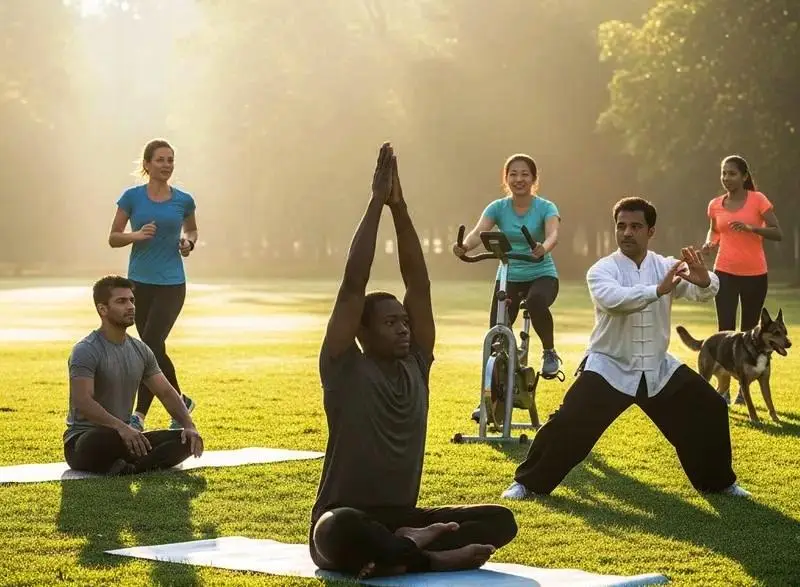
The first step toward a healthier life is making regular physical activity part of your daily routine. Exercise does not necessarily mean spending hours in a gym. There are numerous enjoyable ways to keep the body active:
# Yoga: Combines physical postures, breathing practices, and mental awareness to improve flexibility, balance, and relaxation.
# Cardiovascular Exercises: Aerobics, running, cycling, swimming, walking, and dancing offer excellent cardiovascular benefits.
# Sports: Football, cricket, basketball, badminton, volleyball, and athletics combine physical exercise with competition, teamwork, and skill development.
# Martial Arts & MMA: Develop strength, stamina, coordination, confidence, and perseverance when practiced safely.
Consistency is key. An activity that a person genuinely enjoys is much more likely to become a sustainable long-term habit.

Nutrition and the Importance of a Balanced Diet
Physical activity alone cannot guarantee good health; nutrition plays an equally critical role. The body requires a variety of nutrients to maintain energy, growth, repair, and optimal daily functioning.
A balanced diet should provide appropriate amounts of proteins, carbohydrates, healthy fats, vitamins, minerals, fiber, and water. Fresh vegetables, fruits, whole grains, pulses, nuts, and seeds form vital components of a healthy eating pattern.
At the same time, excessive reliance on fast food, sugary drinks, and highly processed foods should be minimized. Good health is not achieved through a single “superfood” or a short-term diet fad; it is the result of sensible, sustainable eating habits combined with exercise and adequate rest.

Exercising the Mind: Protecting Mental Health
A healthy body requires a healthy mind. Mental health is an essential component of overall well-being and deserves as much attention as physical fitness.
Just as muscles become stronger through exercise, cognitive abilities develop through regular mental stimulation. We should cultivate the habit of questioning assumptions, examining evidence, analysing information, and rationalizing concepts rather than accepting information uncritically.
# Reading: Joining a library, reading club or engaging with challenging literature sharpens focus and introduces new perspectives.
# Strategic Games: Puzzles, chess, and strategy games stimulate problem-solving and analytical thinking.
# Lifelong Learning: Learning a new language, instrument, craft, or technical skill keeps the brain engaged and prevents intellectual stagnation.

Mindfulness, Meditation, and Vipassana
Modern life often keeps the mind overloaded with notifications, social media algorithms, and constant multitasking.
# Mindfulness: Helps cultivate awareness of the present moment, allowing individuals to observe thoughts and feelings with greater clarity.
# Meditation & Vipassana: Vipassana, a traditional meditation practice, emphasizes observing bodily sensations and mental processes with equanimity.
When practiced consistently, meditation and mindfulness help individuals develop a calmer, more deliberate way of responding to life’s stressors.

Social Health: Choosing Relationships Wisely
Human beings are inherently social. Meaningful relationships provide companionship, emotional support, and a sense of belonging.
However, social health is about quality over quantity. Surrounding yourself with positive influences—people who encourage personal growth, learning, responsibility, and compassion—is vital. Participating in social clubs or community groups offers structured opportunities to build these connections while setting healthy boundaries against toxic environments.

From Healthy Individuals to Healthy Communities
Taking care of health is a personal responsibility, but its benefits extend to the community. Healthy individuals are better equipped to study, work, care for families, and contribute productively to society.
Societies that encourage physical activity, intellectual curiosity, healthy diets, and positive social interaction cultivate resilient citizens. This holistic approach is especially critical for children and young adults, who need supportive environments to build life-long healthy habits.

How Rainbow Dhamma Foundation Supports Health & Wellness
Promoting healthier communities requires awareness as well as practical opportunities. To support this goal, ‘Rainbow Dhamma Foundation’ offers structured ‘Health and Wellness’ Workshops designed to encourage a holistic understanding of well-being.
The program emphasizes caring for all dimensions of health—physical fitness, mental balance, and positive lifestyle choices. By providing practical tools and community support, these workshops empower individuals to make informed decisions about their daily lives.

Health Is the Foundation of Wealth and Wisdom
Ultimately, being healthy, wealthy, and wise is about balance. Wealth without health provides comfort without the ability to enjoy it. Knowledge without mental clarity rarely leads to wise decisions. Physical fitness without strong social relationships can leave a person feeling unfulfilled.
A truly healthy individual strives to nurture the body, mind, and social self. Good health does not guarantee success, but it provides the strongest possible foundation to pursue it.